SOPF Registered · FDEP Compliant · Zero Synthetic Inputs
No Biosolids · No Peat Mining

All-In Sustainability
Returning Resources to the Ground That Needs Them
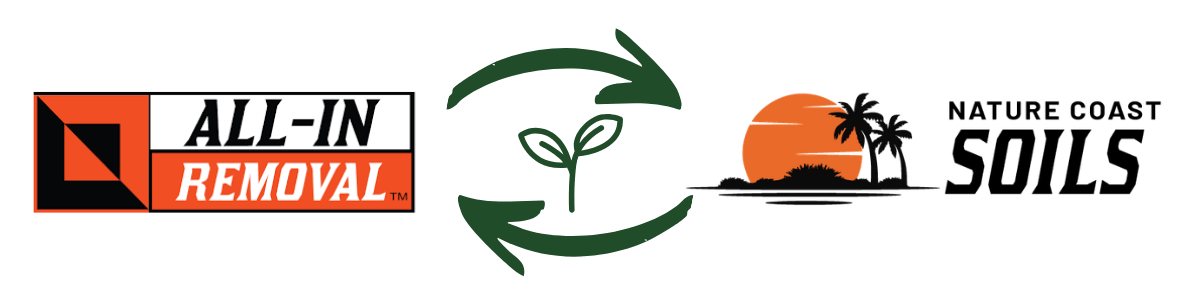
Nature Coast Soils — a subsidiary of All-In Removal — operates a closed-loop organic system designed from the ground up to reduce waste, minimize transport, and return organic material to the land it came from.
Our approach focuses on practical sustainability — reducing disposal dependency, improving soil structure, and supporting local land stewardship through responsible material management.
We do not treat sustainability as a marketing initiative. It is an operational requirement.
LOCAL IN. LOCAL OUT.
Closing the Local Material Loop
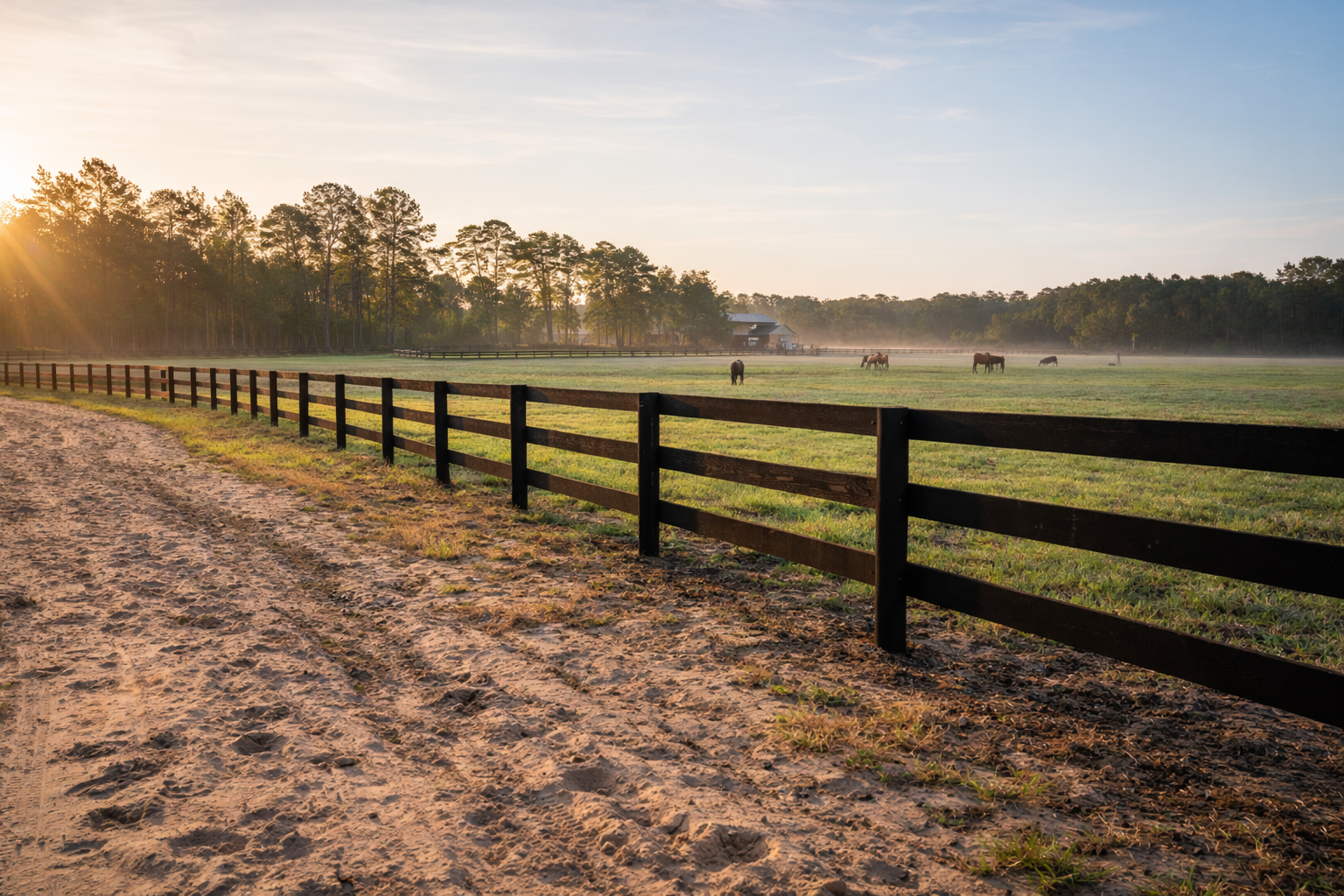
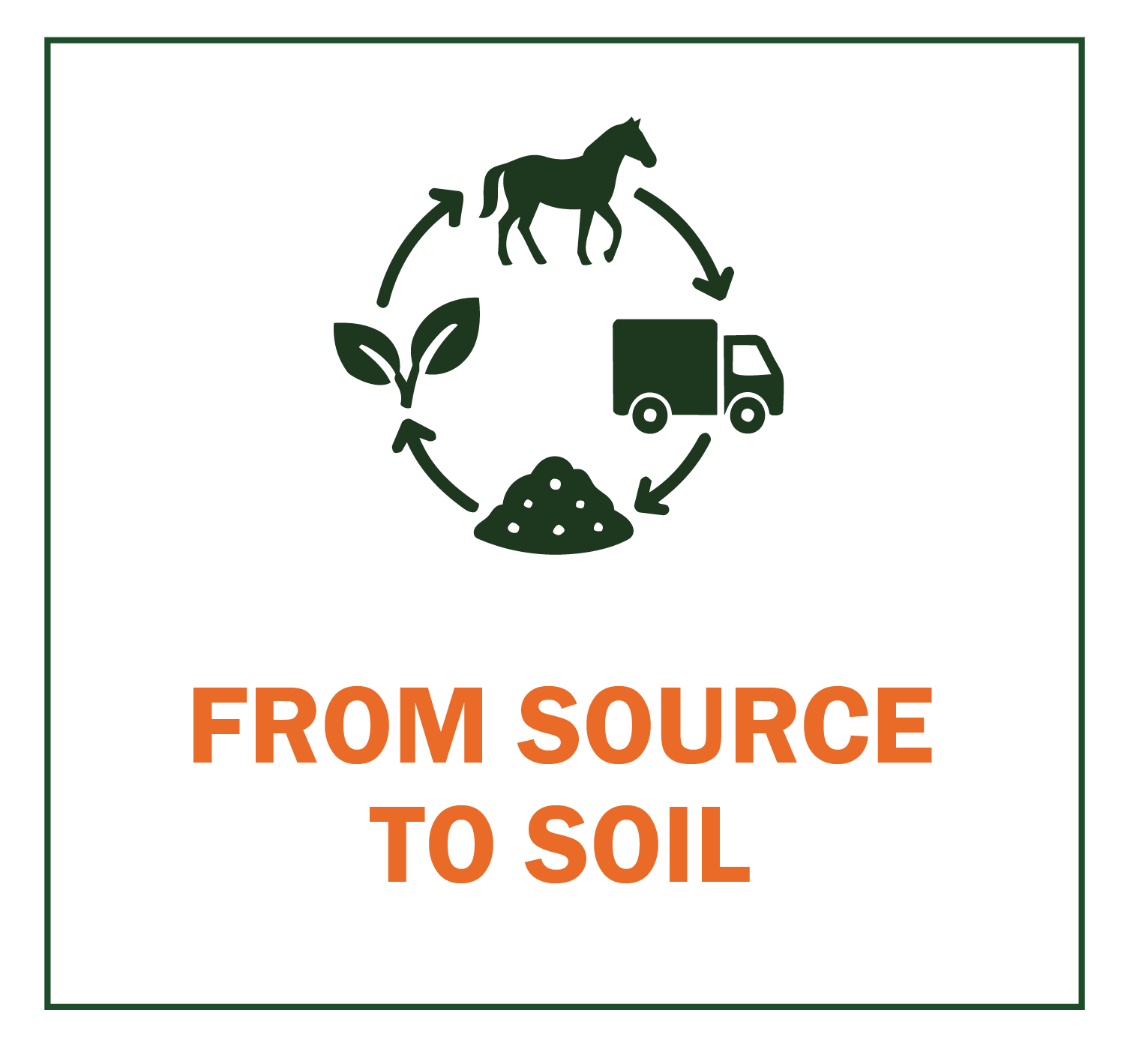
For years, All-In has diverted from landfills approximately 500,000 cubic yards of equine-generated organic material annually from Levy, Marion, and surrounding counties — the most active equestrian region in the world.
Now, with the launch of Nature Coast Soils, those locally recovered materials are being processed and manufactured into organic soil blends at our registered SOPF in McAlpin, Florida. Materials collected from community equine operations are composted through a monitored aerobic process, refined, and returned to productive use within the same regional landscape. Collected locally. Composted here. Reused regionally.

OUR PATH IN PRACTICE
Organic materials are constantly produced by farms, stables, and property maintenance operations. Historically, much of this material required disposal.
Our system converts recoverable organics into stable organic soil amendments through monitored aerobic composting and curing — reducing disposal dependency and returning organic material to the land it came from.
From Source to Soil
Locally recovered organic material — returned to the land it came from
Our Compost = Engineered Process
Temperature-monitored aerobic composting per FDEP standards
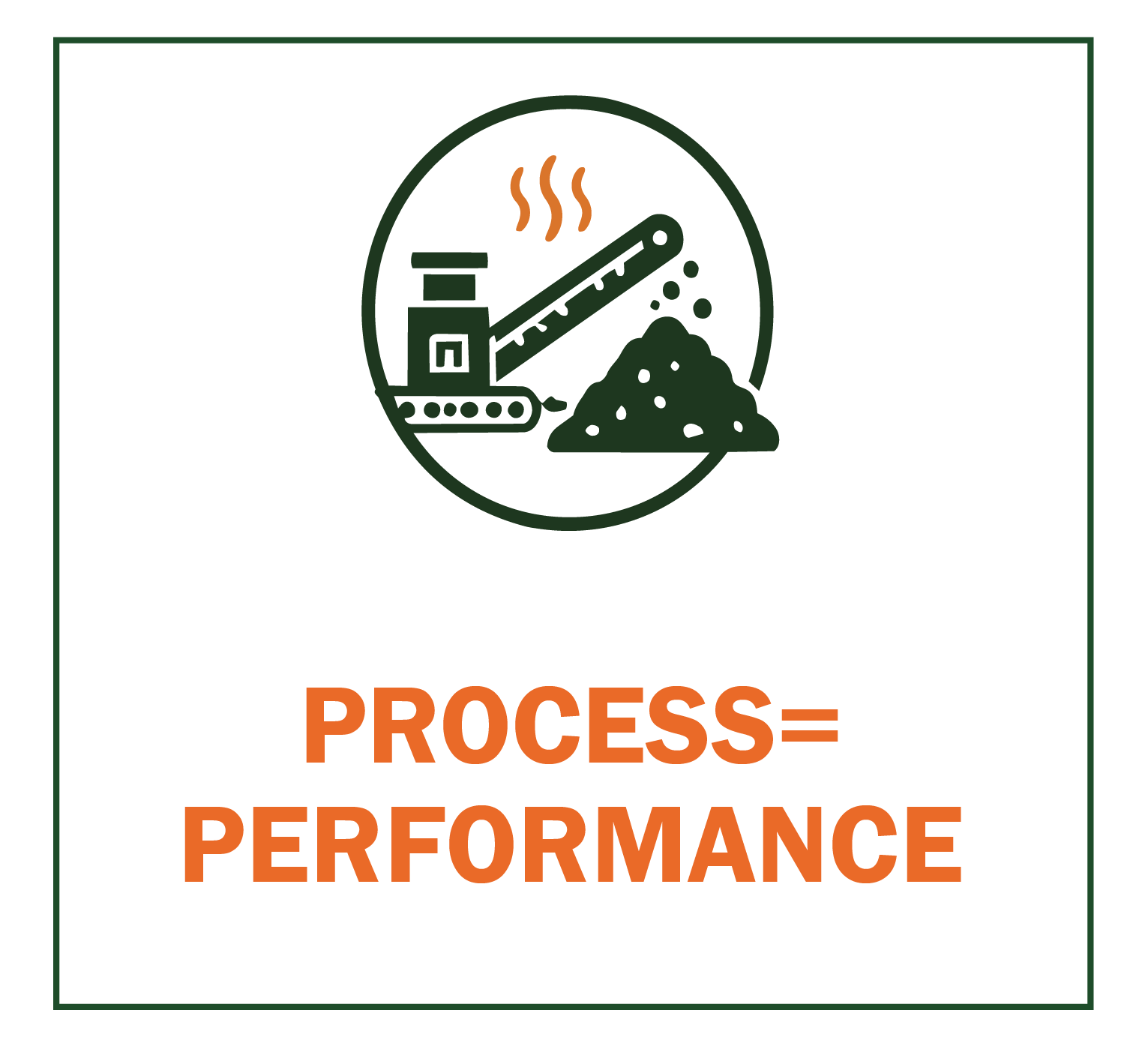
Process = Performance
Consistent output — the result of a controlled, monitored process
Waste to Resource
500,000+ cubic yards diverted from landfills annually
RETURNING RESOURCES TO THE GROUND THAT NEEDS THEM
Supporting Working Landscapes
Healthy soil supports water movement, structure, and plant resilience. By returning stabilized organic matter to the land, we help contractors, growers, and landscapers improve soil conditions with fewer corrective inputs over time.
Our work is practical environmental stewardship: not eliminating impact — managing it responsibly.


Commitment to Transparency
WE TELL IT TO YOU STRAIGHT.
Sustainability claims should be supported by visibility, not assumptions.
Nature Coast Soils will publish regular sustainability summaries outlining how materials are recovered, processed, and returned to productive use. These summaries provide a practical look into our operations, progress, and the decisions guiding future improvements.
Rather than relying on generalized environmental messaging, we document our approach so customers, partners, and communities can understand how the work is actually done.
Coming Soon: Nature Coast Soils Sustainability Summary